Disaster Risk Reduction

In a community drill, villagers in Vietnam show how to evacuate the weak and injured by boats.

Disaster risk reduction is an integral part of humanitarian assistance, both in relief and recovery, as well as in long term development initiatives.

However, to date it has not always received the attention it deserves. With the climate change debate, the problems approaching the citizens of mega-cities and the increasing number of natural disasters there is a need to develop programmes addressing how to prevent natural phenomena from turning into disasters, to mitigate their impact and help prepare increased numbers of people who may be at risk. Climate change, migration patterns as well as socio-economic pressure have forced more and more people into vulnerable living conditions.

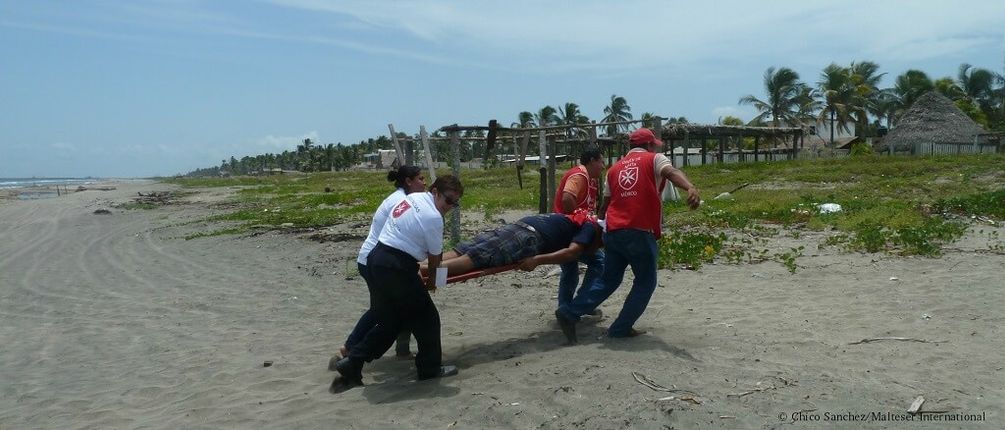
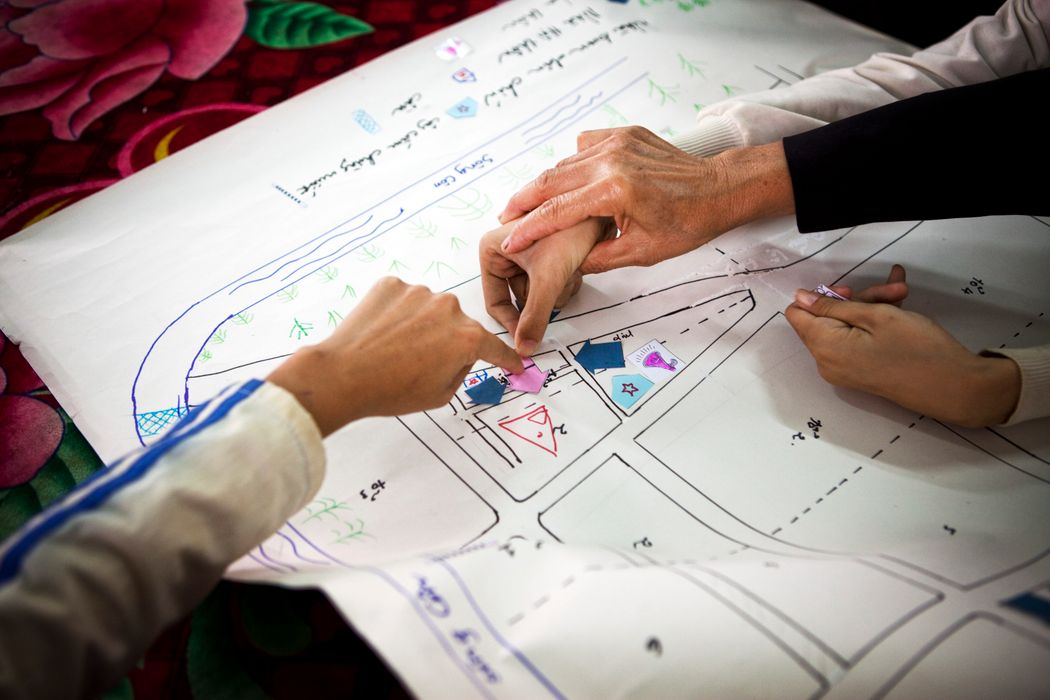
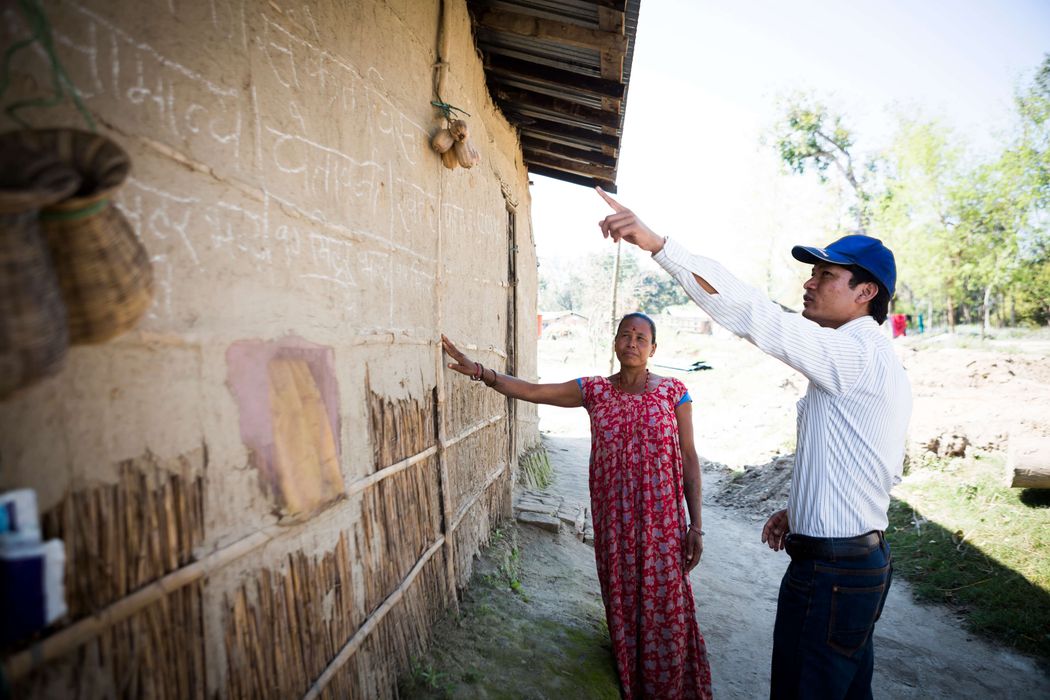
Be it by the reinforcement of houses against earthquakes and cyclones, or by constructing flood safe emergency shelters or training village emergency teams and volunteers in the establishment of early warning systems, Malteser International includes disaster risk reduction and mitigation components in many projects for people at risk. The focus is clearly on community based disaster risk management (CBDRM) and risk reduction aiming to support and to strengthen local coping capacities and to reduce vulnerabilities of people at risk. 

Policy, research & conferences

Disability Inclusive Disaster Risk Reduction Network
Malteser International, together with other relief organisations, has founded a network in Asia advocating for inclusiveness in DRR and trying to bridge the gap between the disability community and mainstream DRR.
>>more

Community Based Early Warning Systems in South and South East Asia - Best Practice & Learning 2012
This publication contains two case studies by Malteser International: "People-centered Early Warning System in Myanmar" and "Mobile Flood Warnings in Uttar Pradesh, India".

Case Study: Community-focused Earthquake Warning Systems in Pakistan
The disastrous impact of the 2005 earthquake spurred action within the Government of Pakistan to improve the national disaster management and response system, and created greater awareness of the vulnerabilities faced by an increasingly urbanized population living in buildings that often have poor seismic resistance capacity. Malteser International’s DRR program in Pakistan is helping to confront these vulnerabilities by introducing earthquake warning technology – based on the detection of “P-waves” – to communities in Khyber Pakhtunkhwa Province and Azad Jammu and Kashmir State.

Dalit women getting water at a community pond. Photo: Carmen Wolf
Photo: Carmen Wolf

Building Community Resilience in the Desert Districts of Rajasthan, India:
The article by Binoy Acharya is based on experiences from the project „Strengthening of resilience and participation of dalit and tribals in drought affected district of West Rajasthan, India” (2010-2013). It is financed by the German Ministry for Economic Cooperation and Development (BMZ) and Malteser International and implemented by Malteser International’s partner organisation Unnati. It focuses on the strategies and outcome of interventions on building community resilience among dalit, women and vulnerable households in the Thar Desert districts. >>more

Malteser International at the 4th International Disaster and Risk Conference (IDRC) in Davos, Switzerland: 
On the occasion of the IDRC from 26 to 30 August in Davos, Malteser International and its Indian partner organisation presented case studies from Myanmar and India in order to portray challenges and opportunities of linking inclusive social mobilisation with early warning systems from a community perspective. >>more


Further projects

Malteser International has implemented disaster risk reduction projects in the following countries:
HaitiIndiaIndonesiaMyanmarPakistanVietnam