Cologne. The war in the Middle East is already having dramatic consequences not only for people in the region, but also for many others around the world. This is because the significant fuel supply shortages resulting from the war are also affecting those who are already living under difficult conditions.
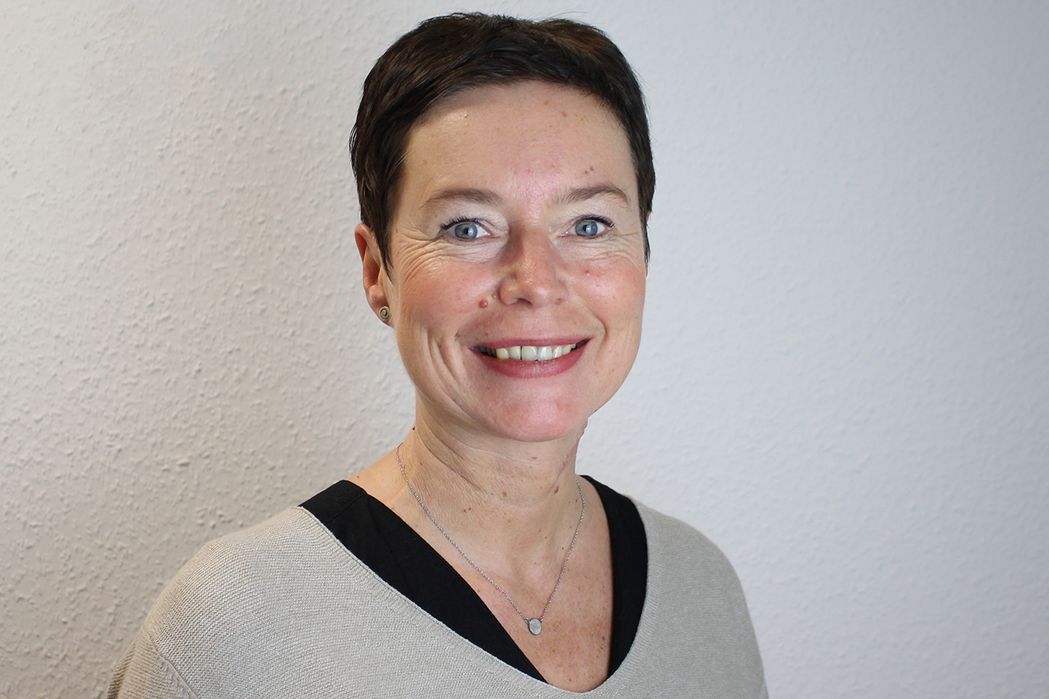
“The current fuel crisis is one of the greatest challenges we face today. Much like during the COVID-19 pandemic, we must simultaneously adjust our programs in all the countries where we operate. Our humanitarian workers can no longer support people to the same extent as before, which is why this crisis is hitting those who were already in dire need the hardest. We very much hope that the fuel crisis will now be resolved in the coming weeks due to the ceasefire, so that we can once again assist more people than is currently possible,” says Kees Zevenbergen, Program Director at Malteser International.
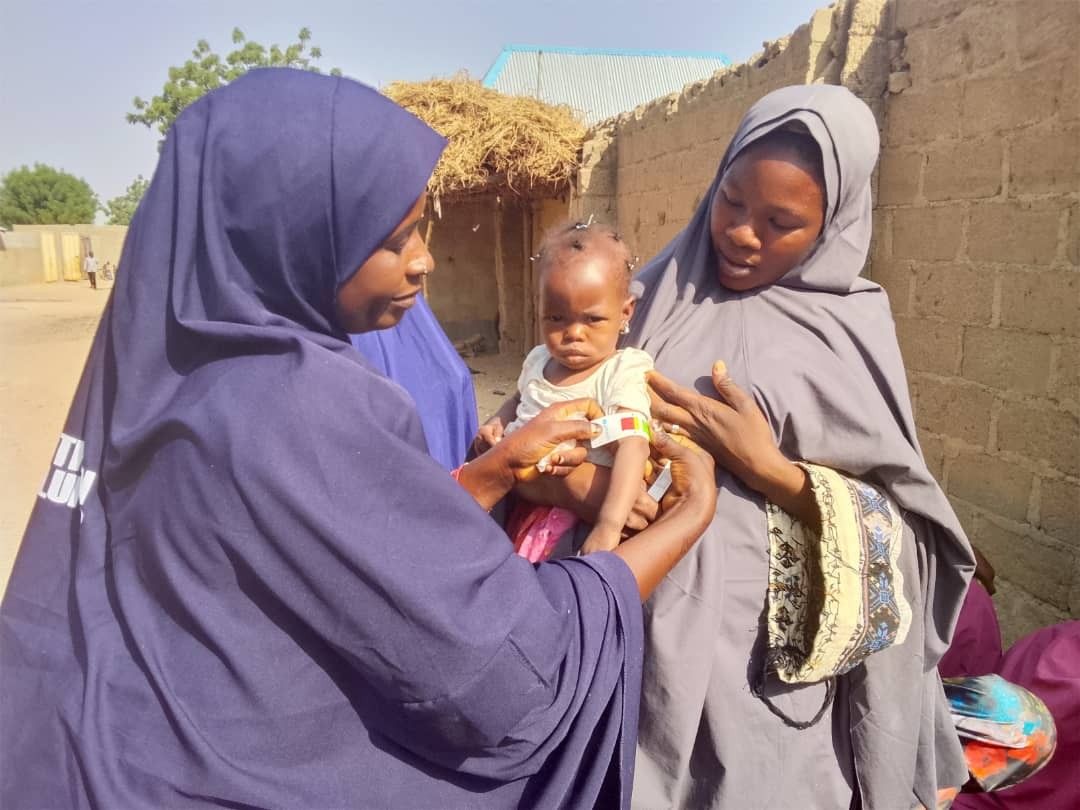
The sharp rise in gasoline prices is having a direct impact on the work of aid organizations. In Nigeria, prices have risen by nearly 40 percent. As a result, in the village of Pulka, only about 1,200 people can be provided with food instead of 2,000. In Afghanistan, Myanmar, Bangladesh, Lebanon, Thailand, Uganda, and Ukraine as well, fuel shortages, price hikes, and government rationing are significantly hampering humanitarian aid. In South Sudan’s capital, Juba, gasoline prices have risen by up to 90 percent. Health services, mobile operations, and aid to rural regions are restricted in many places.
At the same time, rising fuel costs are further driving inflation. In Myanmar and Bangladesh, prices for food and daily necessities are rising. In Uganda, Lebanon, Thailand, and Ukraine, higher costs for transportation, supply, and logistics are having a noticeable impact on Malteser International’s projects.
“At this point, we have no choice but to focus on those vulnerable people who need this aid most urgently,” emphasizes Zevenbergen. “Only through joint efforts and the solidarity of our donors can we continue to provide vital aid. To alleviate the suffering, however, it is of the utmost importance that this war ends as soon as possible, because innocent people are suffering from its consequences every day.”
Despite the massive challenges, Malteser International is doing everything in its power to provide vital aid. Current developments clearly show that international conflicts have global repercussions—and affect above all those who are already the most vulnerable.
Note to editors:
Photos are available for download here
Kees Zevenbergen, Program Director of Malteser International, is available for interviews and on-the-record comments.
Contact: +49 (0)221 9822-7181, katharina.Kiecol@malteser-international.org
Malteser Hilfsdienst e. V.
IBAN: DE10 3706 0120 1201 2000 12
SWIFT: GENODED 1PA7