Humanitarian work in Africa
With an area of more than 30.2 million square kilometers, Africa is the second largest continent in the world. Despite an abundance of natural resources, large parts of the continent have become severely impoverished as a result of years of exploitation, conflict, and a chronic lack of investment.
Hunger, malnutrition, poor hygiene, and inadequate infrastructure are just some of the challenges that people in many African countries face on a daily basis. Millions of refugees and displaced persons who are dependent on aid come from politically unstable South Sudan in particular, but also from the Central African Republic, Nigeria, and Burundi.
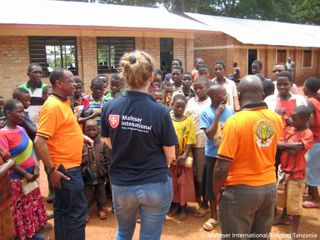
Living conditions remain very difficult for the majority of people. Therefore, our work in Africa focuses on strengthening local health systems and improving food and nutrition security and water supply in the countries where we operate. You can take action by making a donation and providing long-term support for our aid projects in Africa.
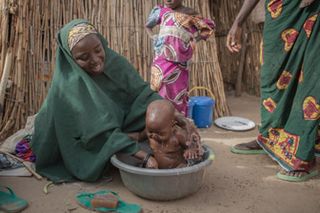
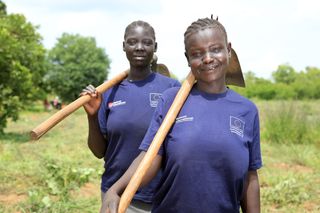
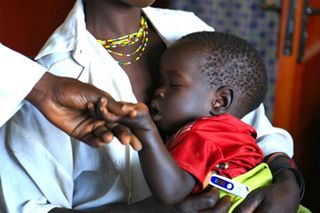
Our focus on Africa
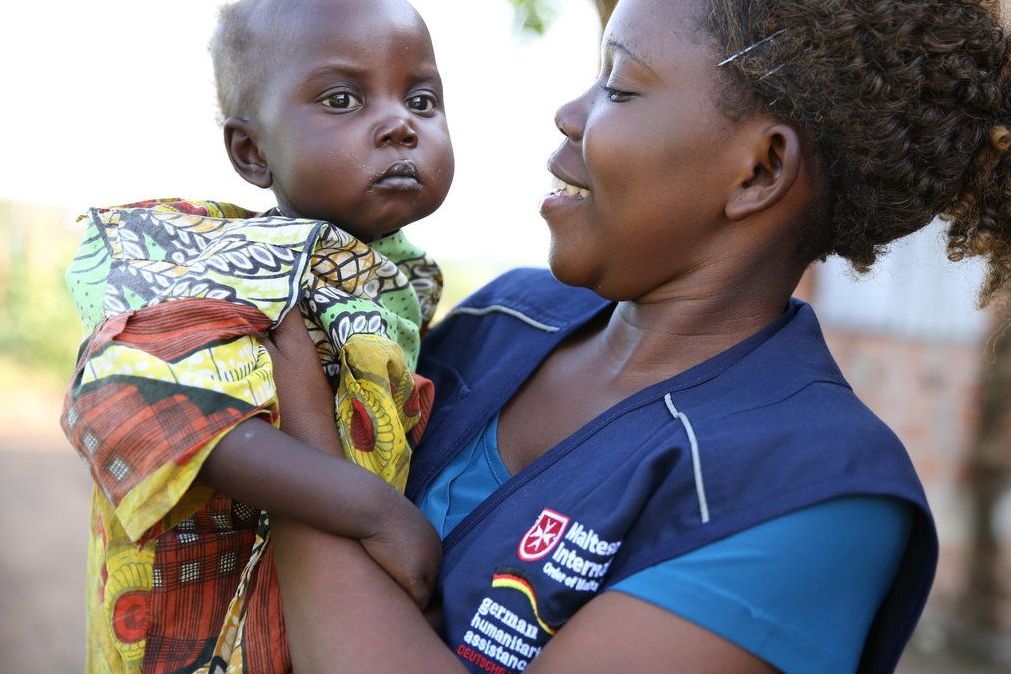
Hunger in Africa
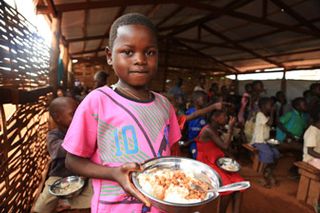
Millions of people in Africa suffer from hunger and malnutrition. Children are particularly affected by hunger crises, which jeopardize their physical and mental development. Learn more about hunger in Africa.
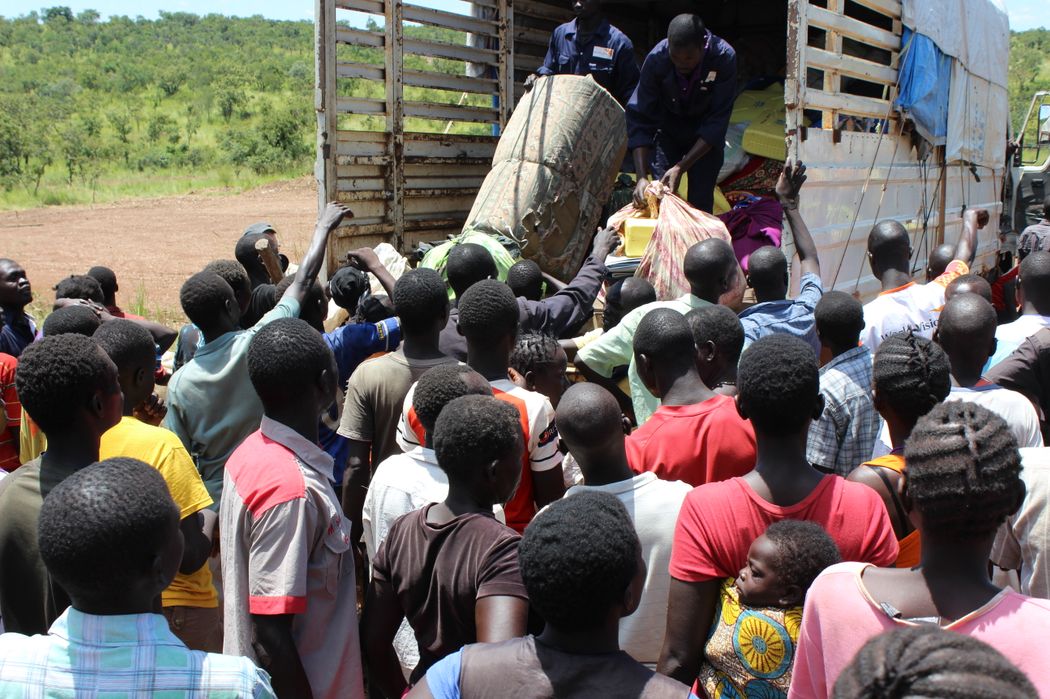
Help for refugees
Wars, conflicts, and violent clashes force many people to flee their homes. We provide active emergency aid to refugees and displaced persons in the affected areas. Learn more about refugees and displacement.
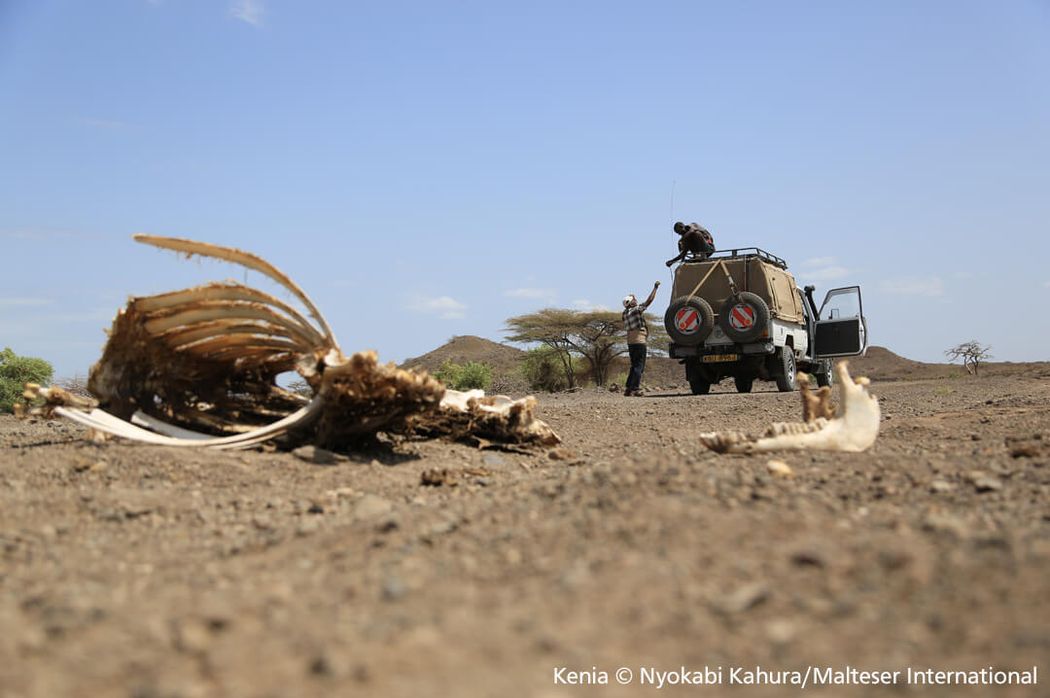
Droughts
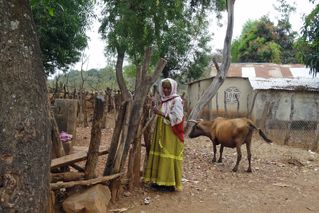
In Africa, people are threatened by prolonged periods of drought. As a result of the dry conditions, important sources of drinking water are drying up, animals are dying, and people are losing their livelihoods. Learn more about drought.
How we help locally
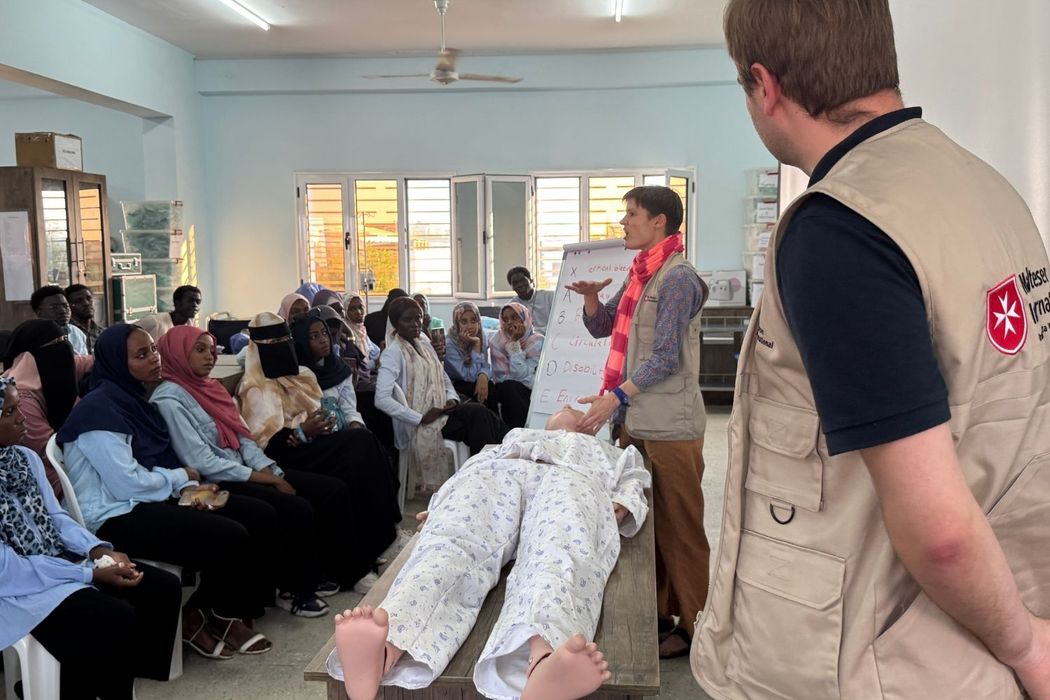
Healthcare provision for people is inadequate in many African countries. Through our work, we contribute to strengthening local healthcare systems in our project countries in the long term. To this end, we support health centers and hospitals with medicines, medical supplies, and laboratory equipment to ensure that patients receive adequate care. At the same time, we are committed to the training and further education of medical personnel to enable professional treatment.
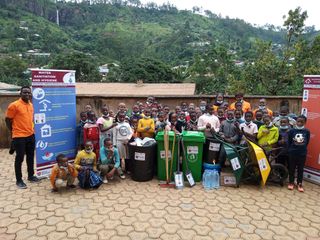
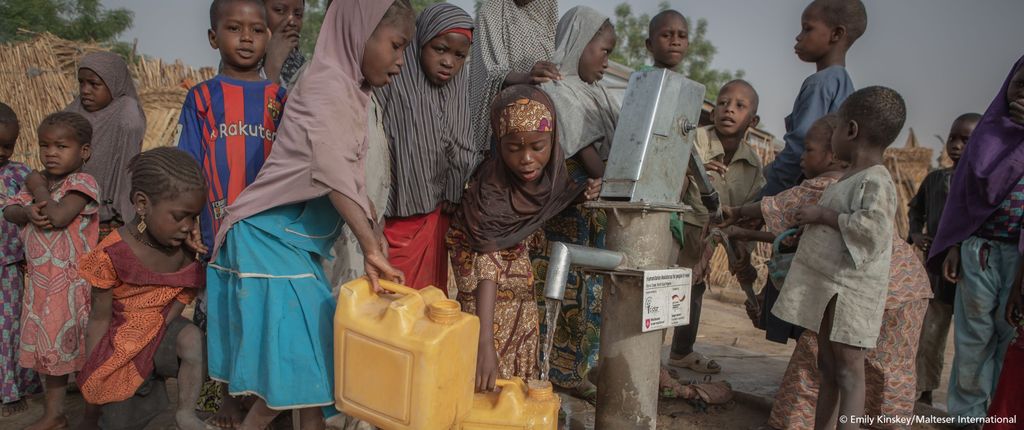
Due to the region's high susceptibility to droughts, another focus of our work is preparing for future droughts. Here, it is particularly important to ensure a constant supply of drinking water and to improve hygiene and sanitation conditions. By building latrines, wells, pumps, and rainwater collection systems, we help prevent drinking water shortages. In addition, water quality is regularly checked to prevent disease.
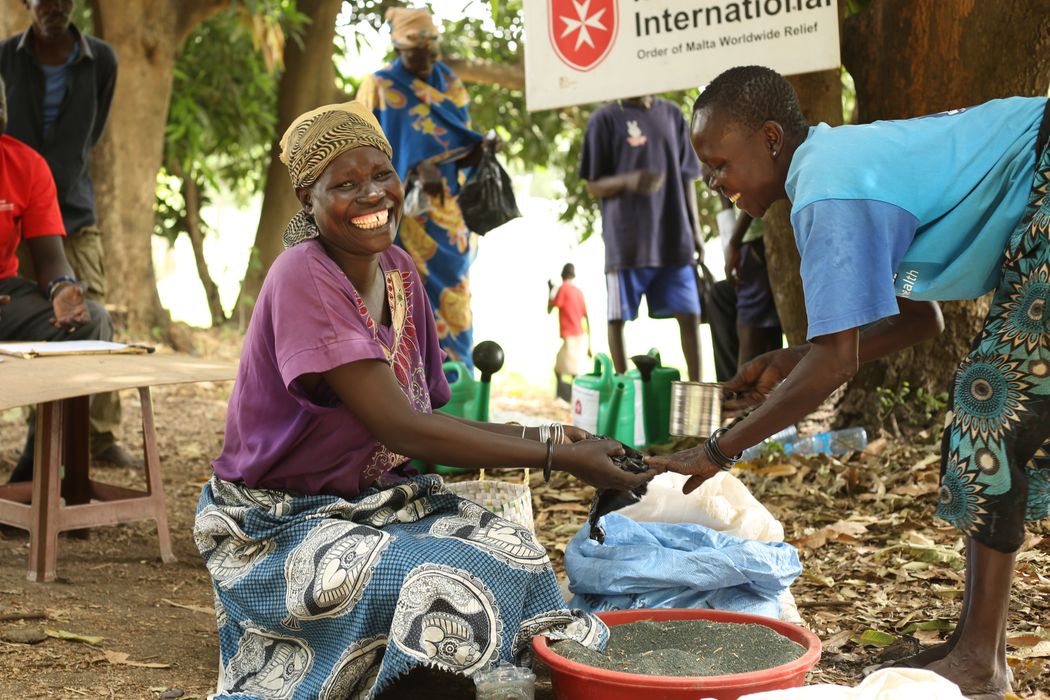
At the same time, our goal is to ensure healthy nutrition and thus prevent hunger and malnutrition. By distributing seeds, setting up gardens and vegetable beds, and providing training on how to use urban kitchen appliances, we support the population in our project areas in becoming self-sufficient.
Our work in Africa

South Sudan
Violent conflicts have forced more than four million South Sudanese to flee their homes. In addition, many people lack sufficient food, water sources, and sanitation facilities.
Cross-regional project:
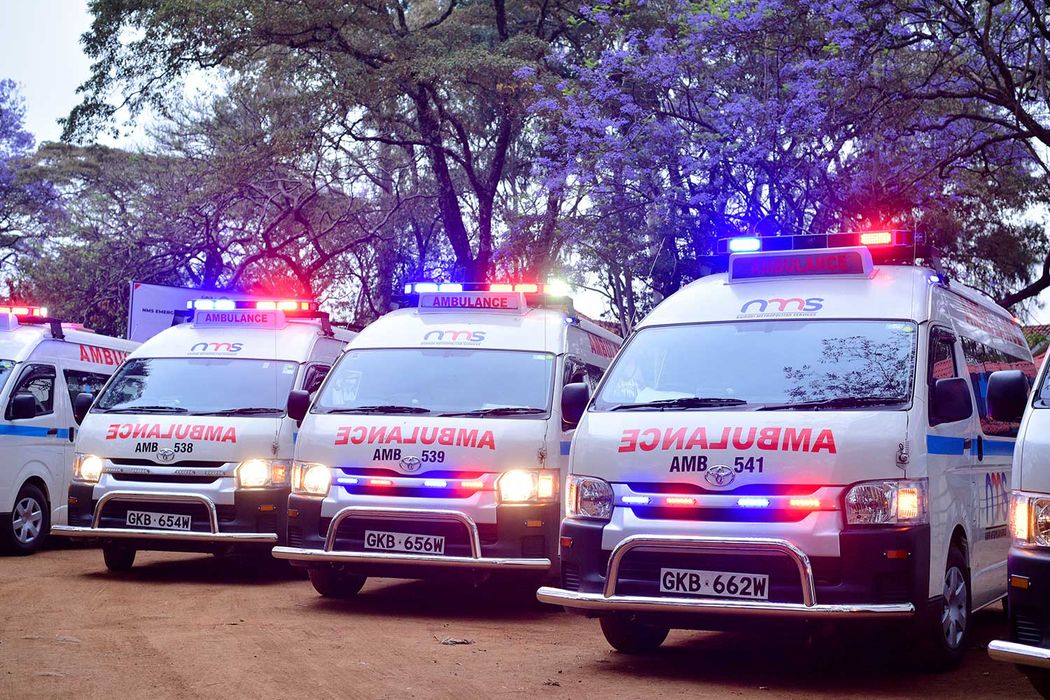
Improving emergency medical services in Kenya and Uganda
Injuries and deaths resulting from road traffic accidents are a growing problem in Kenya and Uganda and one of the leading causes of death in the region. Malteser International is committed to improving emergency medical services and ambulance services in Kenya and Uganda while making them more accessible. In order to achieve this, we are working together with the ministries of health as well as training institutions and hospitals.