EN | DE | FR
Donate Now
Support people in need in DR Congo with your donation!

DR Congo: Donate to Support Our Humanitarian Aid

Despite a wealth of raw materials, decades of exploitation, corruption and years of violent conflict have made the Democratic Republic of the Congo (DRC) into one of the poorest countries in the world.

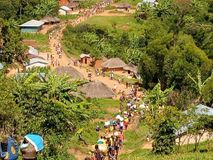
The remote provinces in the east of the county face enormous challenges in terms of infrastructure. The population also suffers from widespread malnutrition, low life expectancy, and a high rate of child mortality. Medical provision across swathes of the country is either lacking, or unavailable due to the limited financial resources of the population.

Political instability in neighboring countries is also causing more and more people to cross the border and seek refuge in the DR Congo. In addition, there are numerous Congolese returnees who fled to neighboring countries during the unrest and have now returned to their home country.

Make a regular or single donation to support families in need in DR Congo!


Video: Empowering engagement in DR Congo: How listening puts people first | Get to know P-FIM community communication

May 2026: Ebola outbreak in the Democratic Republic of the Congo – We are responding

In mid-May 2026, the World Health Organization (WHO) declared the second-highest alert level – a public health emergency of international concern – in response to the rapidly spreading Ebola outbreak in the northeastern Democratic Republic of the Congo. The epicenter of the epidemic is in Ituri, a province marked by armed conflict and displacement. Because the virus is highly contagious through bodily fluids and remained undetected for some time, a small number of cases have already spread across the border into Uganda. 

What makes this outbreak alarming is the identified pathogen: it is the rare Bundibugyo variant of the Ebola virus. Unlike the better-known Zaire species, there is currently no approved vaccine and no validated rapid test for the Bundibugyo strain. The fatality rate of this variant is estimated at around 37 to 50 percent.

Just a few days after the outbreak became officially known, the WHO reported on 20 May 2026 around 600 suspected cases and more than 130 deaths, while experts assume the actual number of cases is significantly higher. 

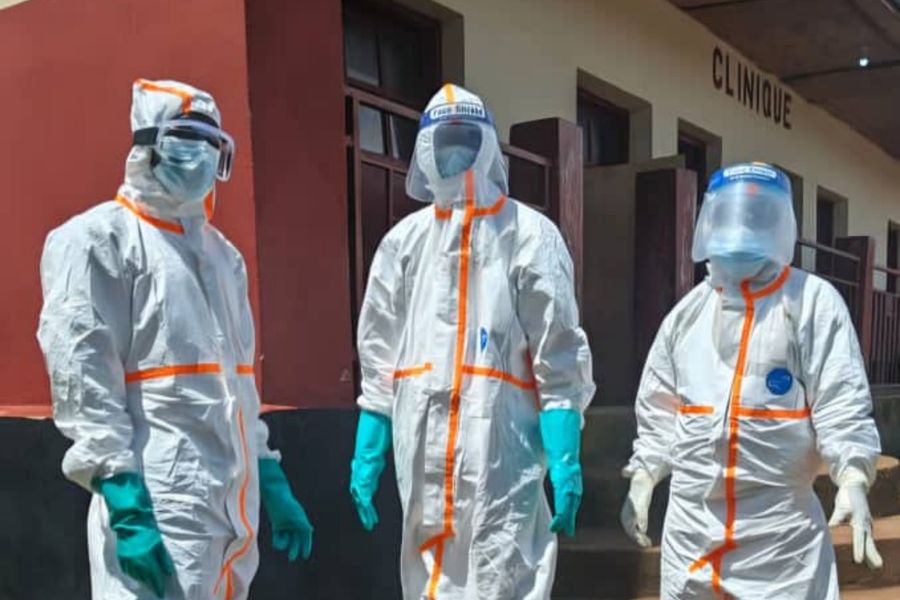
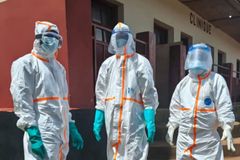
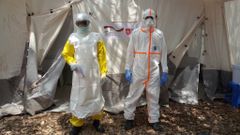
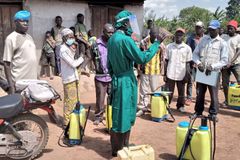
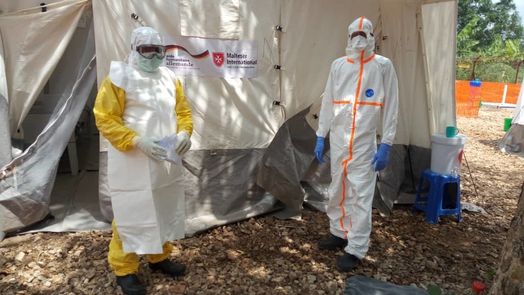
Our team is on the ground. We are carrying out extensive community awareness activities, training healthcare workers, and strengthening infection prevention and control measures. This includes distributing hygiene supplies, constructing treatment centers for infectious diseases, and improving water supply systems in health facilities and communities.
Donate now to support our work in DR Congo

Poverty in DR Congo: Causes, Consequences, and Current Situation

According to the World Bank, around 73 percent of the population in the Democratic Republic of Congo live in poverty (World Bank, as of October 2025). This means that about 80 million people live on less than $2.15 per day—below the international poverty line. Despite being the second largest country in Africa and having significant natural resources, DR Congo is still one of the poorest countries in the world. Even with some positive developments, such as a slightly stabilized economy, the poverty rate remains high.

The main causes of poverty in DR Congo are:

  • Armed conflicts cause mass displacement, destruction of infrastructure, insecurity and local economic collapse.
  • Corruption remains a significant obstacle to development and social justice.
  • political instability
  • Exploitation of natural resources, from which the population scarcely benefits
  • Weak infrastructure
  • Lack of healthcare and educational opportunities
  • Frequent epidemics hamper the government's development efforts and impact the population.


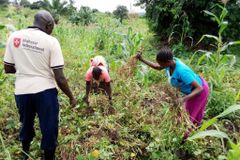
The high poverty rate brings a series of existential threats to the population. Especially in rural areas, there is a lack of government support. As a result, many people live off small plots of land where they grow food for their own needs.

Poverty often leads to hunger, poor health and a lack of education. Many families can afford neither sufficient food nor access to medical care or schooling. The inadequate healthcare system further exacerbates the situation in the Democratic Republic of Congo. As a result, a vicious cycle of poverty, social exclusion and stagnation is set in motion.

How Malteser International is helping in DR Congo

Malteser International has been working in the eastern provinces of the DR Congo since 1996, and since then, it has successfully carried out a variety of projects in the areas of water and sanitation (WASH), health, and food security.

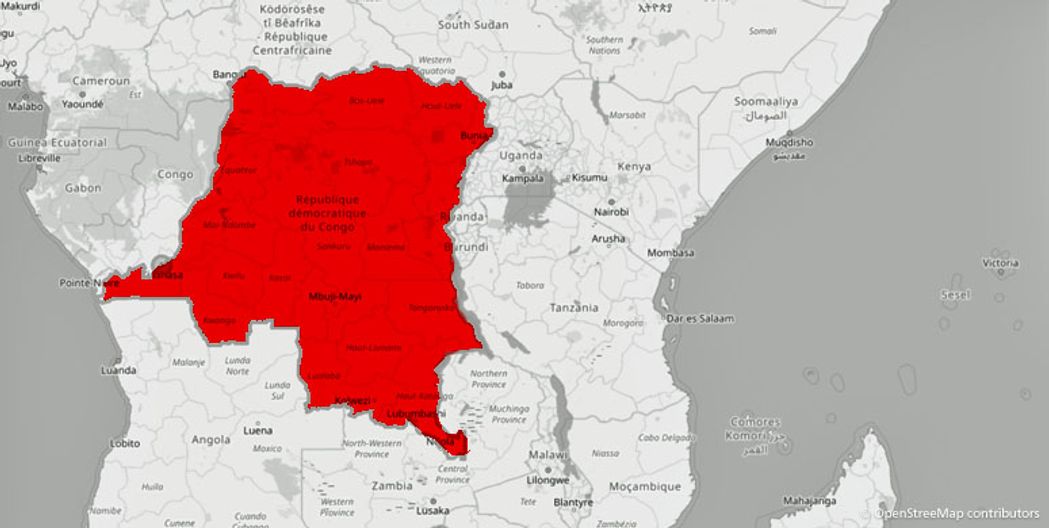
Our work is currently focused in the provinces of Ituri, Haut-Uélé, Bas-Uélé, North Kivu and Kasai Central, where Malteser International has proven itself a reliable and competent partner for local hospitals and health facilities. In close cooperation with the Congolese Ministry of Health and the World Health Organization (WHO), Malteser International is working to improve hygiene and infection prevention and control measures in response to the Ebola outbreak. Malteser International teams are also carrying out health promotion activities and reinforcing community engagement to sensitize members of the community about Ebola and ways to protect themselves against the disease.

With the advantage of many years of experience, the healthcare system will now be qualitatively improved and functionally restructured at all levels to allow the population access to a high quality of basic health care.

News and stories from DR Congo

18.05.2026

Ebola outbreak: Malteser International prepares initial measures

Cologne/Mahagi. After the WHO (World Health Organization) declared an international health emergency, Malteser International staff in the Democratic Republic of the Congo are preparing to protect the population from the Ebola outbreak in the northeastern province of Ituri. 

Read more

INFECTION PREVENTION IN SCHOOLS: A HEALTHIER FUTURE FOR JUNIOR

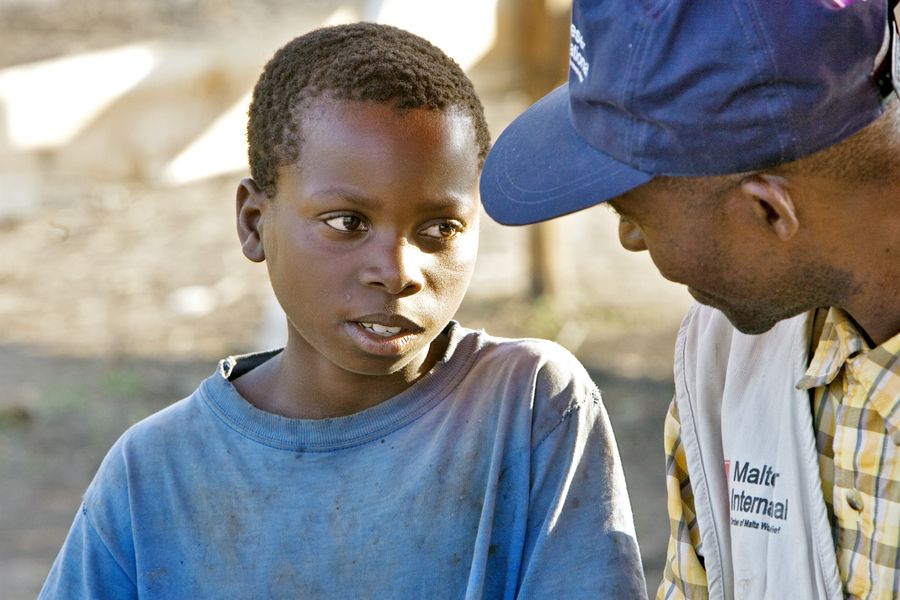
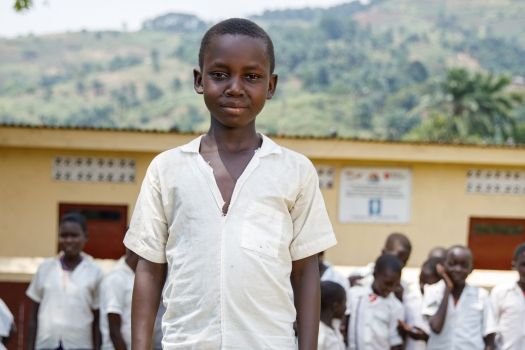
Clean water, hygiene, and knowledge: for Junior from the DR Congo, this means more than just good health – it is hope for his family and a dream for the future. In Ituri province, many schools like Junior's lack a save water source, latrines and other amenities. Under Malteser International's implementation of the One Health approach, work is being done to improve this situation to contribute to the successful prevention of epidemics.

Read more

One Health: A holistic approach to combating Schistosomiasis

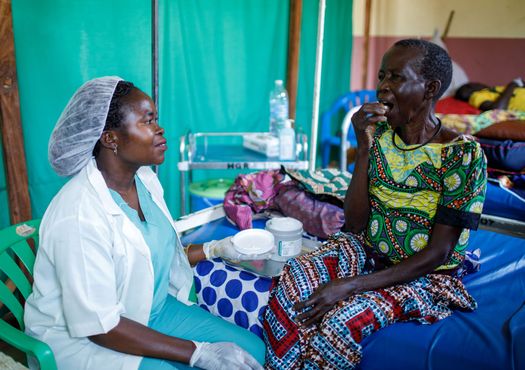
When 78-year-old Uinya Ozerina was brought to Angumu General Referral Hospital in the remote Ituri province of the Democratic Republic of Congo, she was in critical condition. She could neither walk nor talk, her stomach was painfully swollen, and she was weak from the illness that had plagued her for two years. Tests soon revealed she was suffering from Bilharzia, also known as Schistosomiasis, a neglected tropical disease caused by parasites in contaminated water sources. The lack of access to clean water and proper medical treatment had allowed her condition to worsen. However, thanks to Malteser International’s One Health project, she was finally receiving the care she needed.

Read more

Knowlegde is the key in the fight against diseases

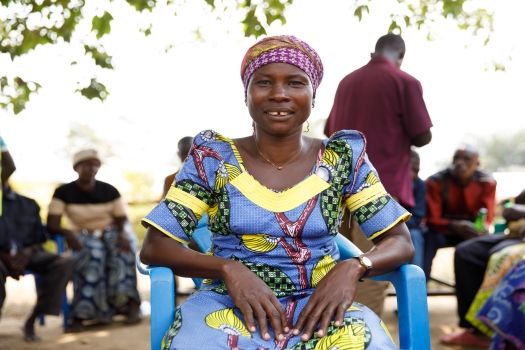
“Before Malteser International built our well, everyone had to fetch water from the contaminated river because there was no other source of water,” says Kayeny Rutha, from Muguma in the DR Congo. She is a Community Health Worker and plays a central role in our joint work to prevent infectious diseases: Armed with knowledge and information, she fights for the health of her community.

Read more

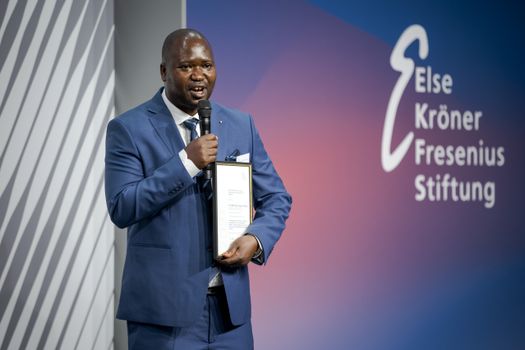
Award-winning: Malteser International receives highly endowed humanitarian award from Else Kröner-Fresenius-Stiftung

Cologne/Bad Homburg. Malteser International received the renowned Else Kröner Fresenius Award for Development Cooperation in Medicine 2021 on the topic of “Epidemic Preparedness and Response”. At 100,000 euros, it is one of the most important and best-endowed awards in the field of development cooperation.

Read more

Covid-19: Responding with the People First Impact Method (P-FIM)

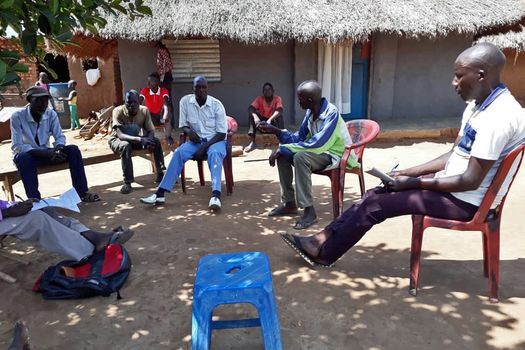
During the recent Ebola epidemic in the eastern part of the Democratic Republi of Congo (DRC), our team in the country employed a people-centred approach in responding to increasing mistrust and spread of rumours about the Ebola epidemic. As the novel coronavirus (Covid-19) spreads across the world, Malteser International is working to reduce its harmful impact by putting people at the centre of its response, using the P-FIM approach.

Read more

Ensuring safe delivery for expectant mothers in DR Congo

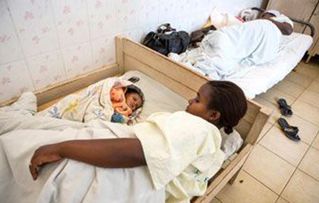
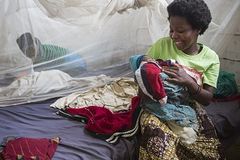
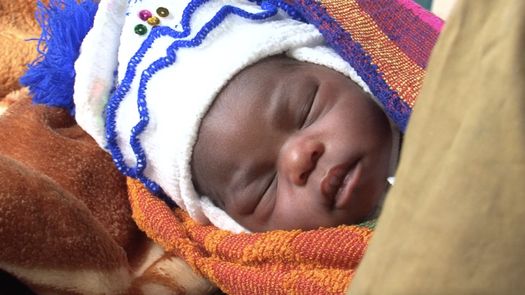
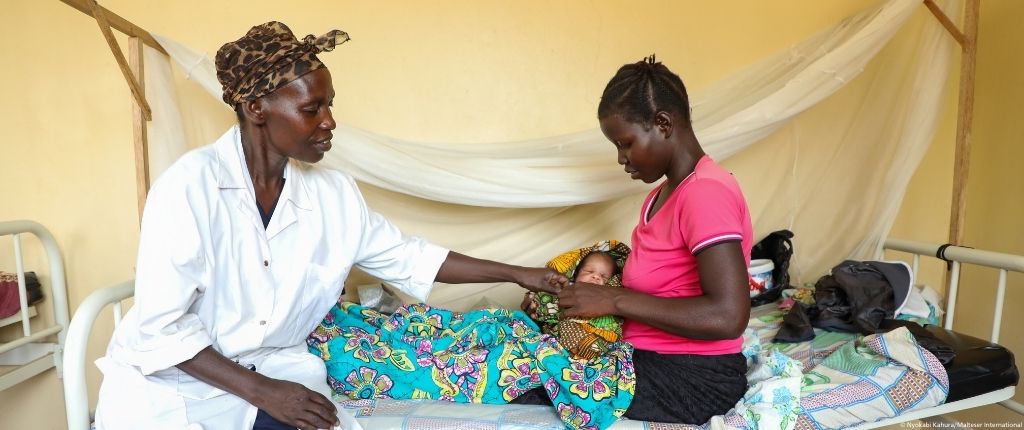
The birth of a child is a magical moment. We are working to ensure this moment runs smoothly for women in DR Congo. In our maternity clinics, expectant mothers receive all the medical care they need, from pregnancy till delivery.

Read more

A future for malnourished children in the DR Congo

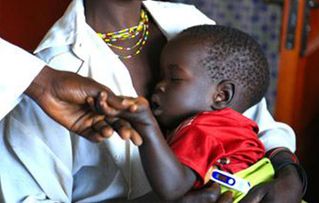
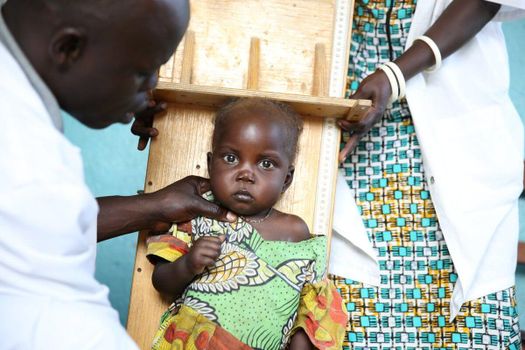
About 400,000 children in the DR Congo are facing life-threatening acute malnourishment. Malteser International is helping to restore children to health through its support for the local hospital in Adi, north east of the country. Thanks to specialized treatment using therapeutic milk, children like Dorcas and Viola are given a chance to survive.

Read more

Become a sponsoring partner and provide longlasting aid for people in need

As a sponsoring partner, your regular donation gives real, life-changing help to people in need in our project regions. Your commitment helps us plan ahead and bring about long-lasting impact.

  • We put your generous donation to use, bringing help to those who need it most.
  • Our monthly newsletter will keep you regularly updated on our work.
  • You can easily amend or stop your payment at any time.
Become a sponsoring partner!


Completed projects:


Project information

Malteser International project locations:
In 7 health zones of Ituri and Haut Uélé provinces, in 3 health zones of Bas-Uélé and in 5 health zones of Kasai Central province.

Program Offices:
Ariwara (Ituri Province), Bondo (Bas-Uélé) and Kananga (Kasai Central).

Support our work and help make a difference!
Donate now