How the war in the Middle East is changing the lives of people in need in 2026
Fuel supply in crisis regions: challenges and consequences
The war in the Middle East is profoundly affecting both those living in the conflict zones and countless others worldwide. Severe fuel shortages caused by the conflict have far-reaching consequences, impacting even people thousands of miles from the region.
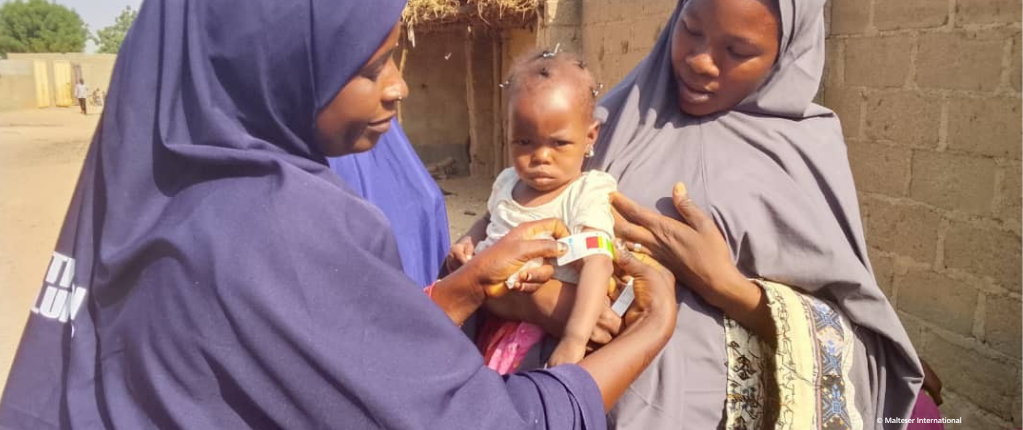
Dramatic increases in gasoline prices – e.g. nearly 40 percent in Nigeria – are creating serious challenges. Food rations in our projects in Pulka have already been reduced, so we can currently support only about 1,200 people instead of the previous 2,000. In Afghanistan, six health facilities we support are affected: Due to supply bottlenecks and rising gasoline costs, 50 percent less patients can be treated. In Myanmar, fuel prices have jumped by up to 30 percent, resulting in rationing and shortages in our projects. Bangladesh’s government has limited gasoline and diesel use, restricting our teams’ mobility. In South Sudan, especially in Juba, gasoline prices have soared by up to 90 percent, making aid delivery to people in need in rural areas even more difficult than before. We face similar issues in Lebanon, Thailand, Uganda, and Ukraine, where fuel shortages are significantly hindering our work.
"The current fuel crisis is among the great challenges we have faced in the countries where we operate. Much like during the COVID-19 pandemic, we must currently respond simultaneously in all our countries of operation. But the crisis affects not only our work but also, more importantly, the daily lives of local people," says Program Director Kees Zevenbergen.
Rising inflation: Impact on the cost of living and projects
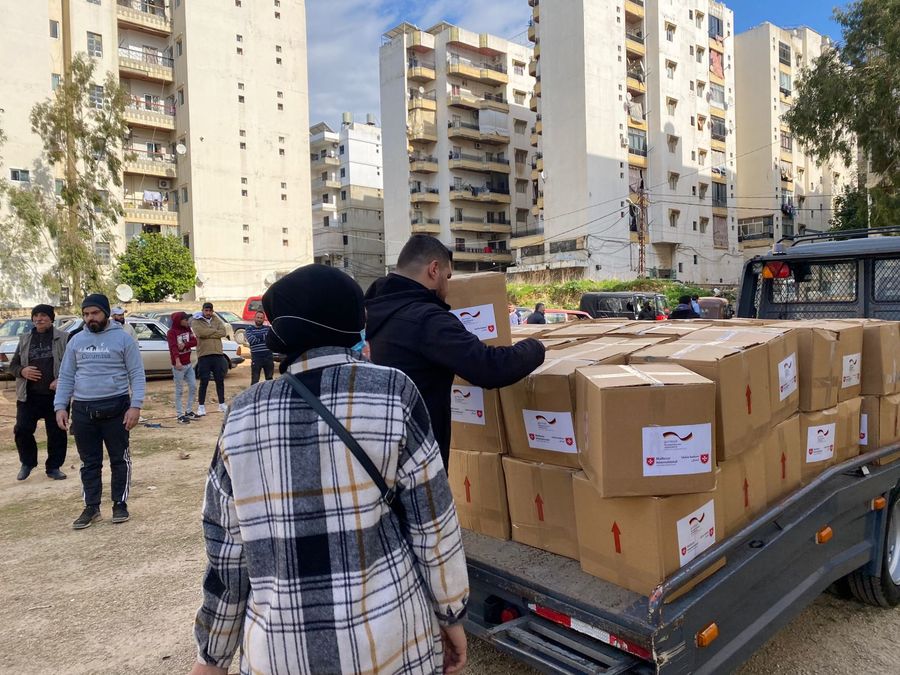
Spiraling fuel prices are accelerating inflation. In Myanmar and Bangladesh, food and household essentials are becoming more expensive. Uganda, Lebanon, Thailand, and Ukraine are seeing increases in the cost of staple foods, transport, and supplies, directly impacting our projects and creating additional challenges.
Cost increases: Rising prices for aid operations and logistics
As fuel expenses rise, the overall cost of our humanitarian projects – including transportation, logistics, and procurement – has surged. These rising costs make delivering aid more complex and require us to be even more strategic with our resources.
"I’m afraid that in the given situation, we are forced to accept that the costs to deliver our support will be going up and that we, as a consequence, will be forced to focus more on those people that need it most." emphasizes Zevenbergen. "Only through a joint effort and the solidarity of our donors can we continue to provide vital aid. But to alleviate the suffering, it is most important that this war ends as soon as possible, because innocent people are suffering every day as a result of it."
The war in the Middle East is having global repercussions: fuel shortages, inflation, and rising prices are putting pressure on aid and supply chains. Despite these growing challenges, we are doing everything we can to provide life-saving assistance. The consequences of international conflicts hit hardest those who are already struggling to survive—making solidarity among us all even more important.