Clean water for safer healthcare in Rogogo
At Rogogo Primary Healthcare Center (PHC Rogogo) in Katsina State, Nigeria, limited access to water and inadequate sanitation made it difficult for healthcare workers to maintain safe and hygienic conditions. With support from Malteser International and funding from the European Union, the health facility now has improved access to water, sanitation and hygiene services.
For Masa’ud Salim, Facility In-Charge at PHC Rogogo in Zango Local Government Area, access to water used to be a daily challenge. “Before the coming of Malteser International, we were facing many problems and challenges in terms of water, sanitation and hygiene,” he recalls.
Water was not consistently available throughout the facility, including in critical areas such as the maternity ward, laboratory and toilets. The existing borehole was no longer functional, while an aging hand pump could not provide the amount of water the facility needed.
At the same time, the toilets were in poor condition and difficult to use, particularly for people with disabilities and other accessibility needs. Wastewater accumulated around the hand pump, creating stagnant water, while medical waste was often disposed of in an open area.
These conditions made it more difficult for staff to maintain appropriate hygiene, infection prevention and waste management practices.
Water where it is needed most
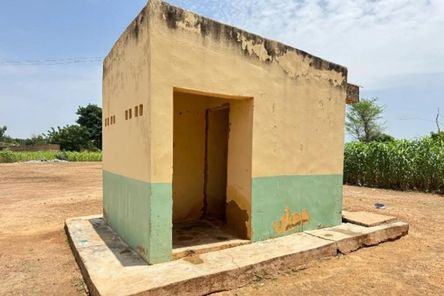
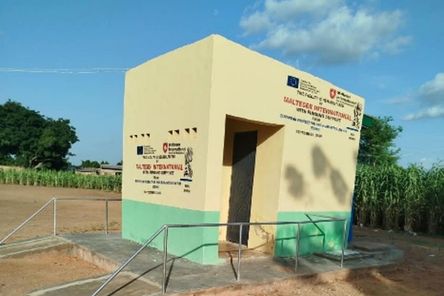
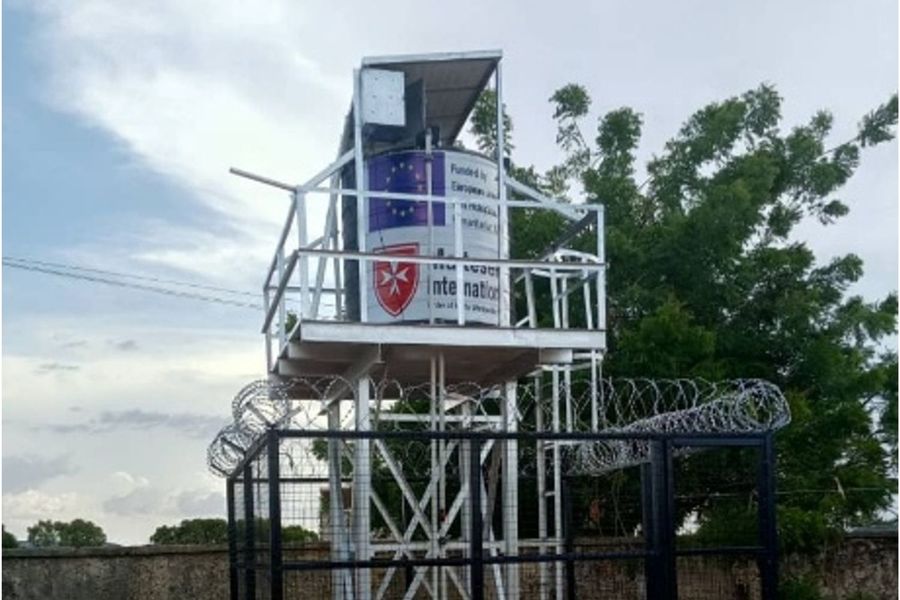
With funding from the European Civil Protection and Humanitarian Aid Operations (ECHO), Malteser International supported PHC Rogogo with a range of water, sanitation and hygiene improvements.
The facility’s existing water system was upgraded so that water can now be supplied around the clock. Water was connected to key areas across the facility, including the maternity ward, laboratory and toilets, improving access for patients, caregivers and healthcare workers.
A soak pit was also constructed at the hand pump to manage wastewater and prevent stagnant water from accumulating around the water point. In addition, a medical waste incinerator was constructed to support safer waste disposal.
Improving sanitation and accessibility
The facility’s toilets were rehabilitated and equipped with handrails, making them more accessible for people with disabilities and contributing to a safer and more inclusive healthcare environment.
But infrastructure alone is not enough to create lasting improvements. Hygiene promoters now support hygiene promotion and monitoring activities at the facility, while healthcare personnel received training in infection prevention and control (IPC). IPC supplies and latrine cleaning kits were also provided to support routine hygiene and sanitation practices.
Together, these improvements provide PHC Rogogo with essential water, sanitation and hygiene services that support the safe and dignified delivery of healthcare for patients, caregivers and healthcare workers.
For Masa’ud and his colleagues, reliable access to water is no longer an additional challenge they have to overcome while caring for their community.
(October 2026)