
Between anxiety and hope
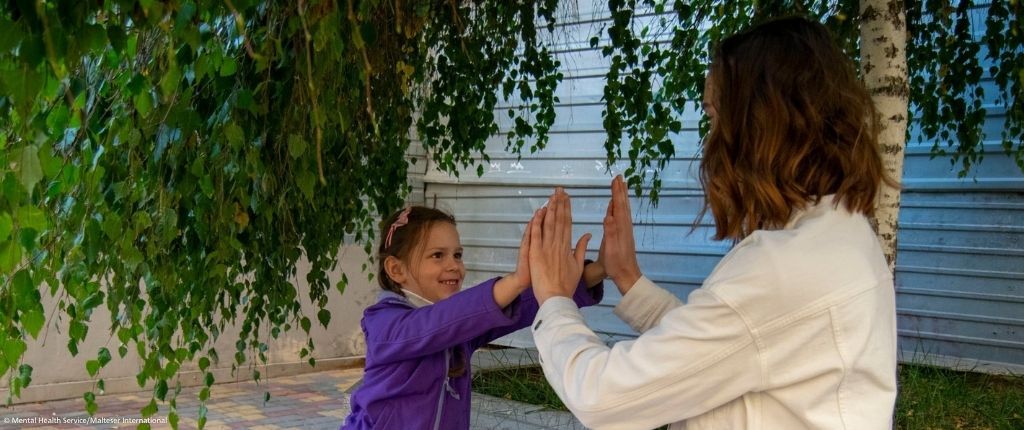
Olena’s phone is almost always within reach. At work, it lies somewhere nearby; at home, she keeps it close at hand. It is an ordinary object, but for her, the phone has become more than a means of communication. It is a symbol of both reassurance and anxiety. The two familiar green check marks on a message, showing that it has been delivered and read, can mean that everything is all right with her husband, who is currently serving in the Ukrainian Armed Forces. The long periods of waiting for a reply can mean that anxiety will stay with Olena, whatever she is doing. She does not always know where her husband is or when he will be able to call. Sometimes, all she can do is wait. At the same time, life does not stop. She has patients to see, work to do, and a home to return to. She has to care for her seven-year-old daughter Sonya (name changed for security reasons) and help her feel safe.
A constant worry
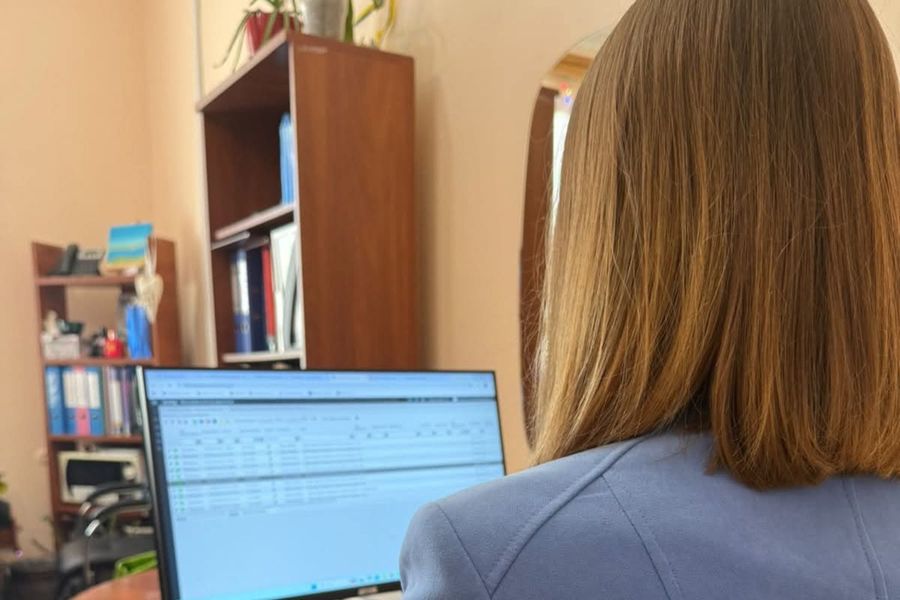
Olena is 41. She is a family doctor from Kherson in southern Ukraine, and a mother. After the full-scale invasion began, her family found themselves living under occupation. Eventually, Olena and her daughter were able to leave. They now live in Mykolaiv, 60 km east of Kherson, while her husband continues his military service.
Olena does not talk much about life under occupation. At the time, her priority was to protect her child and find a way to leave. After relocating, she had to start rebuilding their life in a new place: finding work, caring for her daughter and creating a sense of normality. But the feeling of danger did not disappear. It changed into a constant wait for news from her husband.
As a doctor, Olena is used to taking action: assessing a situation, making decisions and helping others. At work, she has to remain composed even when she is experiencing anxiety herself. But the war has brought circumstances for which there is no clear course of action.
She worries most about her daughter and her husband. But the two fears are very different. “I worry about my daughter a lot, but she is here with me. I can do something to protect her. With my husband…that is the hardest part for me.”
“At work, I am a doctor and I have to stay composed. At home, I am a mother and I have to stay strong too. But inside, there is always that thought: How is he doing?”
Because of his military service, her husband cannot always tell her where he is or when he will be able to get in touch. In these moments, Olena finds herself between two realities. “At work, I am a doctor and I have to stay composed. At home, I am a mother and I have to stay strong too. But inside, there is always that thought: How is he doing?” Gradually, Olena began to realize how much energy was being consumed by constantly being prepared for bad news. Anxiety is not always visible to others, but it can follow her even through ordinary moments – at work, while caring for her daughter, during rest, or while waiting for a message.
Support for those who help others
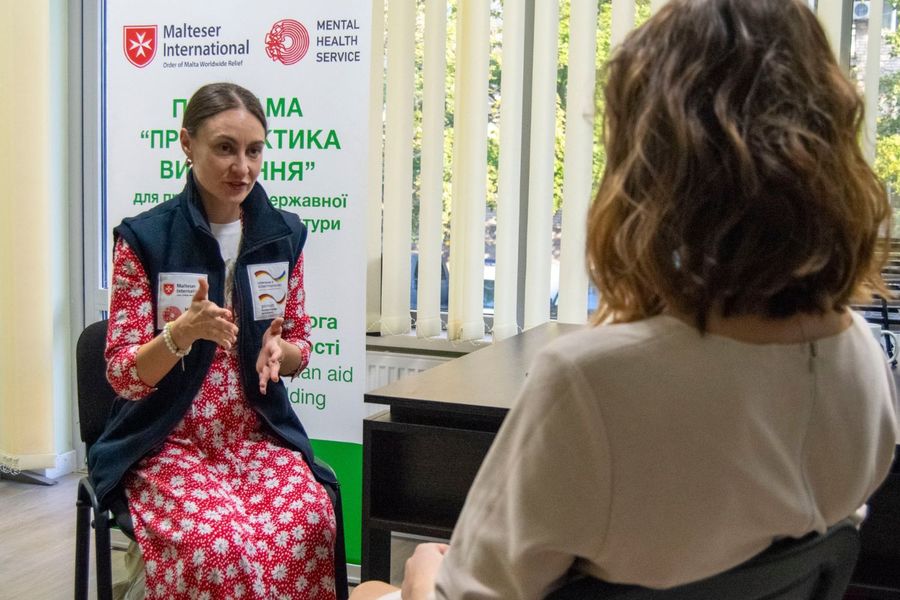
When Olena had an opportunity to receive psychological support, she agreed. Her story is one of many among healthcare workers who continue to work in wartime. This is why supporting the mental health of healthcare professionals is one of the areas addressed by the project “Integrated Mental Health and Psychosocial Support for War-Affected Communities and Local Service Providers in Ukraine.”
The project is implemented by a consortium co-led by Avalist and Malteser International, in partnership with the Maltese Relief Service, Mental Health Service and Words Help, with financial support from the German Federal Foreign Office. Within the project, the charitable organization Mental Health Service supports healthcare workers who work every day with the consequences of war. Olena is one of hundreds of doctors from southern regions of Ukraine who will have the opportunity to take part in the “Doctor and War” course, a programme designed to help prevent professional burnout and support the psychological well-being of healthcare professionals.
“I understand that my worries cannot make his service any safer. But understanding that in my head is one thing; actually allowing myself to let go of some of that control is something completely different.”
For Olena, psychological support has provided an opportunity to step, for a while, out of the role of a doctor who is always helping others and to pay attention to her own emotional state. During the sessions, she could recognize and acknowledge her feelings and learn ways of managing anxiety.
One important realization was that it is impossible to control everything that happens to the people we love. But it is possible to learn to notice what is happening inside us and return our attention to the present moment. “I understand that my worries cannot make his service any safer. But understanding that in my head is one thing; actually allowing myself to let go of some of that control is something completely different,” says Olena.
Living with uncertainty
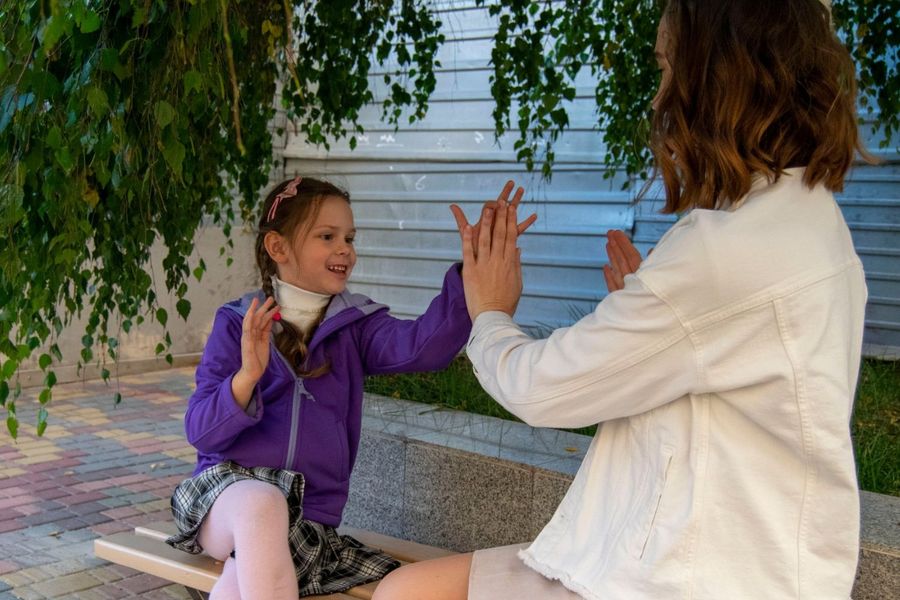
Olena does not say that she stopped worrying after receiving support. The war continues, her husband is still serving, and her daughter is growing up in a reality shaped by air-raid alerts. But she is now better able to recognize the moments when anxiety drains all her energy and use the skills she has learned to return to the present.
For Olena, it is important to allow herself ordinary things: spending time with her daughter, resting after work, not checking her phone every few minutes, and not feeling guilty for moments of calm. This does not mean that the fear has disappeared. Olena is gradually learning to live alongside it without allowing it to take over her entire day. “If I allow myself not to be afraid for a while, it does not mean that I love my husband any less. I need to preserve my strength – for my daughter, my work, myself, and for the day when he comes home.”
Today, Olena’s greatest wish is a simple one: for her husband to return and for their family to be together again. For her daughter’s life to have more school, friends, walks and family evenings – and fewer moments of anxiety and fear. Olena cannot control everything in her life. But she is learning to preserve her strength, be there for her daughter, and leave room for moments of calm and hope. Because sometimes, continuing to live is also a way of waiting for the people you love.
This article was written by Valentyna Bukovska, MHPSS Project Officer at Mental Health Service Communications Manager for Malteser International in Ukraine, in September 2026.