Lebanon: Resilience at its Limit
For years, people in Lebanon have been living through several crises at once: economic collapse, political instability, violence, and displacement. Since March 2026, war has once again broken out between Israel and the Lebanese group Hezbollah, forcing around 1.3 million people – about a quarter of the population – to abandon their homes.
Looking at Lebanon from the outside, we might get the impression that people there are particularly resilient: Time and again, they adapt to new circumstances.
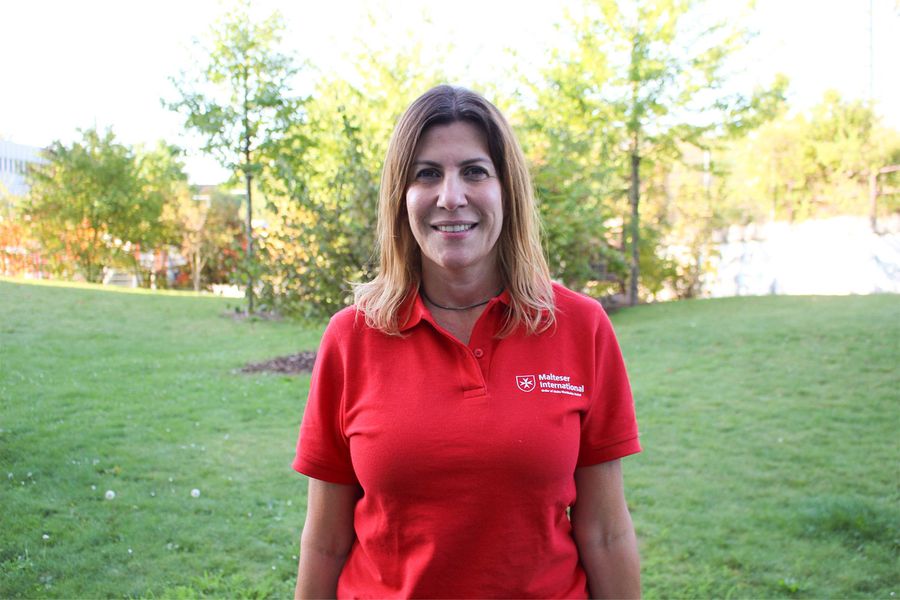
Is that impression correct? We asked our Country Director in Lebanon, Nayla El-Kouhry, about people’s resilience in Lebanon:
“Resilience is not only about coping with difficult times or adapting to them. Resilience means getting back up after pain and destruction – recovering, rebuilding, and finding your footing again. It is about preserving hope and confidence and becoming stronger after every setback. Lebanese people are like the phoenix, the legendary bird of eternal life, which rises again from the ashes after it has burned. In the same way, Lebanese people rise each time they are confronted with war and hardship,” says Nayla El-Kouhry.
When resilience reaches its boundaries
However, chronic crises mean stress, and many people in Lebanon are exhausted, under psychological strain, or have long since lost their savings and prospects. Many had not yet recovered from the last war with Israel in 2024 and the further crises when the next round of fighting began.
Recurring violence and displacement repeatedly tear families out of everyday life – and make even basic needs such as food, medicines, or transport unaffordable for many.
In this situation, resilience also becomes a question of access: Who can still reach healthcare? Who finds medical support when medicines become unaffordable on the market?
Many people report exhaustion and hopelessness. That makes it even more important to respond with aid in both the short and long term to support families to regain their ability to act.
How we support the people
Malteser International has been active in Lebanon since 2012 and works closely with the Order of Malta Lebanon. The focus is on healthcare and food security. In acute escalations, emergency aid is provided, as well, such as medical care in emergency shelters and the distribution of essential relief items.
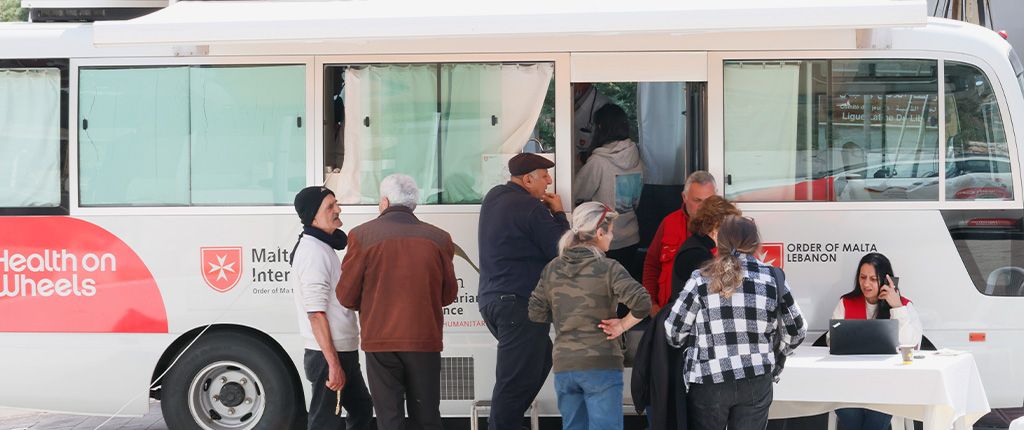
- Mobile health services as well (Akkar, Baalbek-Hermel, Nabatieh, South Lebanon).
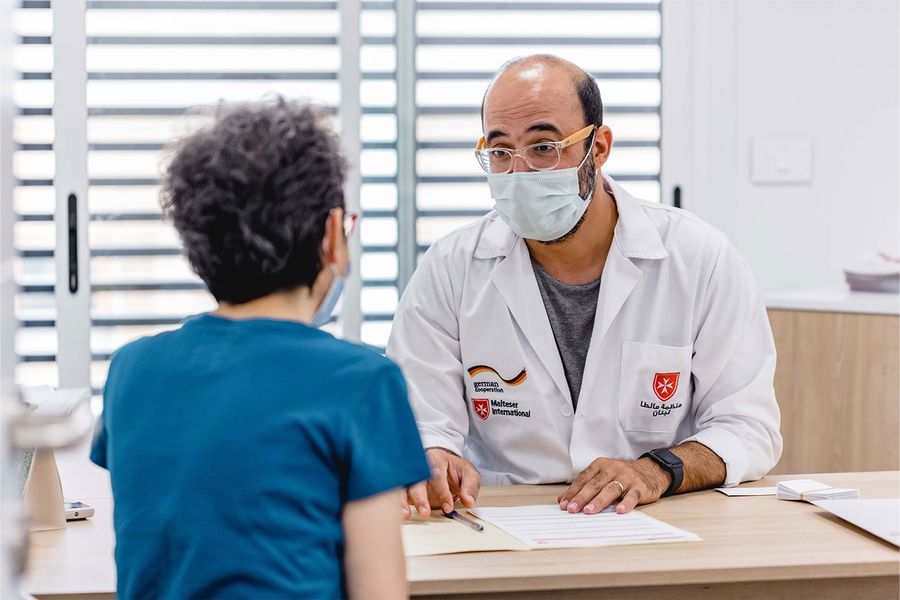
- Free treatment & medicines
- Referrals when needed
- Psychosocial support
- Emergency aid in shelters
- Distribution of essential relief items
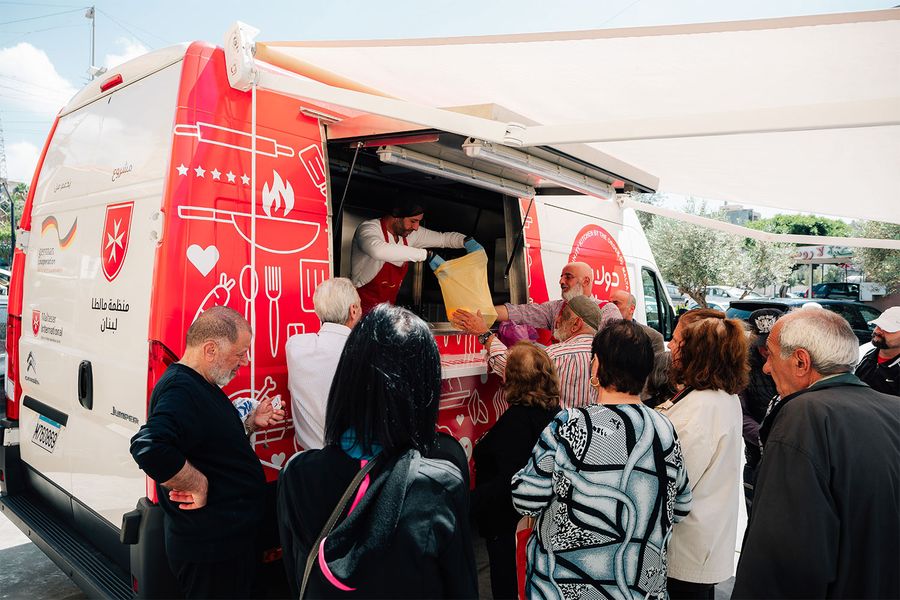
- Food security
- Income opportunities
- Social cohesion
What makes humanitarian aid in Lebanon so difficult
Humanitarian aid in Lebanon is challenging because the security situation, needs, and costs are constantly changing. This is due partly to Hezbollah’s violent confrontation with Israel, but also indirectly to rising fuel prices caused by the war in the Middle East. Our operations sometimes have to be suspended at short notice; infrastructure and supply chains are fragile; and the overstretched health system often cannot absorb the growing demand. This makes flexible services that reach people quickly – and at the same time create longer-term prospects – all the more important.
Why resilience needs support
Resilience in Lebanon is tangible – but it is not limitless. When a crisis becomes normality, people need reliable places to turn to: medical care, protection, and ways to secure their livelihoods. That is exactly what Malteser International is working on together with the Order of Malta Lebanon.