Climate change in Bangladesh: causes, consequences, and measures
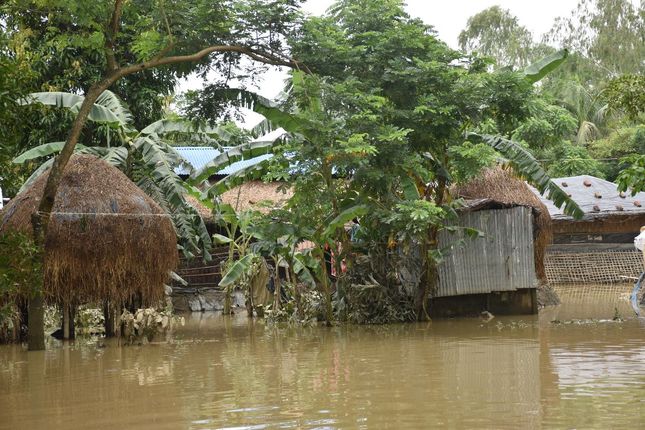
Bangladesh is one of the countries where the effects of climate change are particularly evident. More intense rainy seasons, more frequent cyclones, ongoing erosion along riverbanks and coastlines, and increasing flooding are posing a growing threat to the environment, infrastructure, and settlements. For many people, this means precarious living conditions due to crop failures and destroyed drinking water sources, as well as growing risks to their health and livelihoods. Socially disadvantaged and densely populated areas are particularly at risk.
This makes disaster preparedness, adaptation measures, and on-the-ground assistance all the more important. Malteser International supports vulnerable communities in better protecting themselves against the effects of climate change and becoming more resilient in the long term.
Key facts about climate change in Bangladesh at a glance
- Bangladesh’s unique location in a river delta and its low elevation make it extremely vulnerable to flooding, storm surges, and other climate-related risks.
- Natural phenomena such as heavy rainfall, tropical storms, and saltwater intrusion are altering landscapes and hampering agriculture and water supply.
- Many households lose income, housing, and secure livelihoods as a result of recurring disasters.
- The economic burdens caused by damage and reconstruction are high and disproportionately affect poor segments of the population.
- The government and aid organizations are increasingly focusing on protective structures, disaster warning systems, and adapted farming methods.
Content overview
Why is Bangladesh particularly affected by climate change?
Bangladesh is particularly vulnerable to the effects of global climate change because several risk factors converge: its geographic location in the delta of major rivers, the low elevation of many parts of the country, and the high population density significantly increase its vulnerability to natural hazards. Economic conditions and limited protective measures also play a role. This combination means that climate change is felt more quickly and more intensely here than in many other regions of the world.
Climate impacts on nature and the environment in Bangladesh
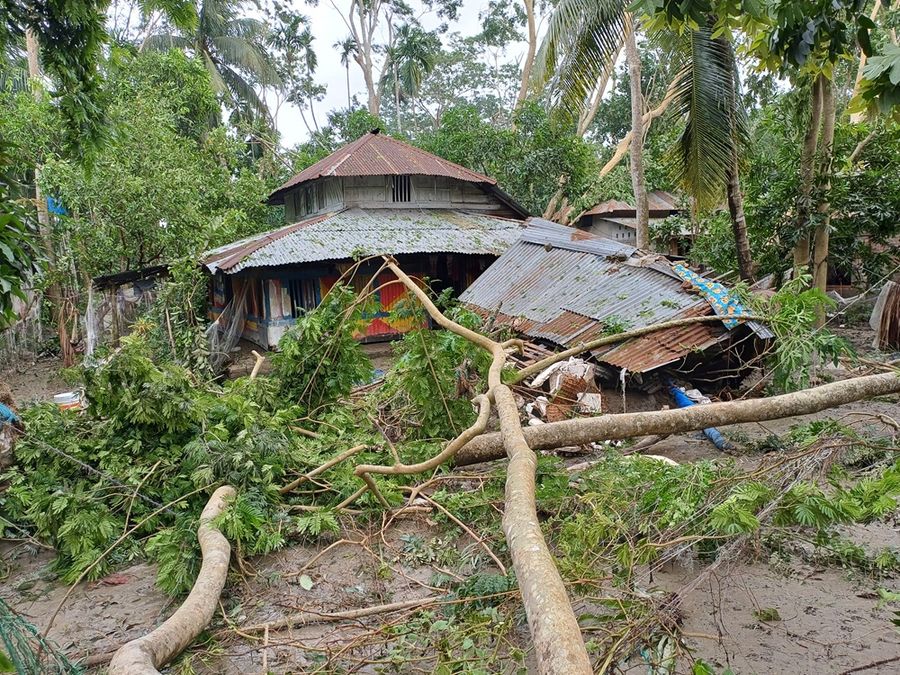
Climate change is altering landscapes and habitats in Bangladesh in several ways:
- Progressive land loss: Large areas of land are lost to erosion every year along major rivers and in coastal regions. Particularly unstable river islands shift their location over time or disappear entirely.
- Increasing salinization: In the southern parts of the country, seawater is penetrating further and further inland, thereby seeping into the soil and groundwater. This is causing a decline in both drinking water quality and the fertility of agricultural soils.
- Threats to forests and biodiversity: Important ecosystems such as mangrove forests, which normally protect against storm surges, are suffering from rising salinity. Many animal and plant species are losing their habitats.
- Deterioration of soil and water quality: Intensive agricultural use, pollutants, and increasing environmental pollution place additional strain on soils and water bodies and reduce their natural ability to regenerate.
- Impact of more frequent extreme weather events: Stronger cyclones and widespread flooding regularly affect large parts of the country and hinder the natural recovery of vegetation and ecosystems.
The impacts of climate change in Bangladesh on people and society
For many people in Bangladesh, climate change has a direct impact on their daily lives:
- Loss of housing and resettlements: Floods, storm surges, and erosion destroy homes and fields. Many families are forced to leave their homes, some even multiple times.
- Health risks: When drinking water becomes undrinkable due to saltwater or flooding, infections and cases of diarrhea spread more easily. Heat, poor air quality, and inadequate hygiene further exacerbate the health situation and can worsen cardiovascular problems and mental health issues.
- Food and income insecurity: Farmers and fishermen are losing their livelihoods due to destroyed crops or damaged fish ponds. As a result, poverty and debt are rising in many communities.
- Disproportionate impact on vulnerable groups: People living in densely populated, impoverished neighborhoods, remote villages, or refugee camps are especially affected because their homes often offer little protection and they frequently lose everything in disasters.
- Difficult access to medical care: After floods and storms, health clinics are often damaged or difficult to reach. This makes it difficult to provide timely treatment to patients and disrupts essential health services such as maternal healthcare.
Which regions in Bangladesh are most at risk?
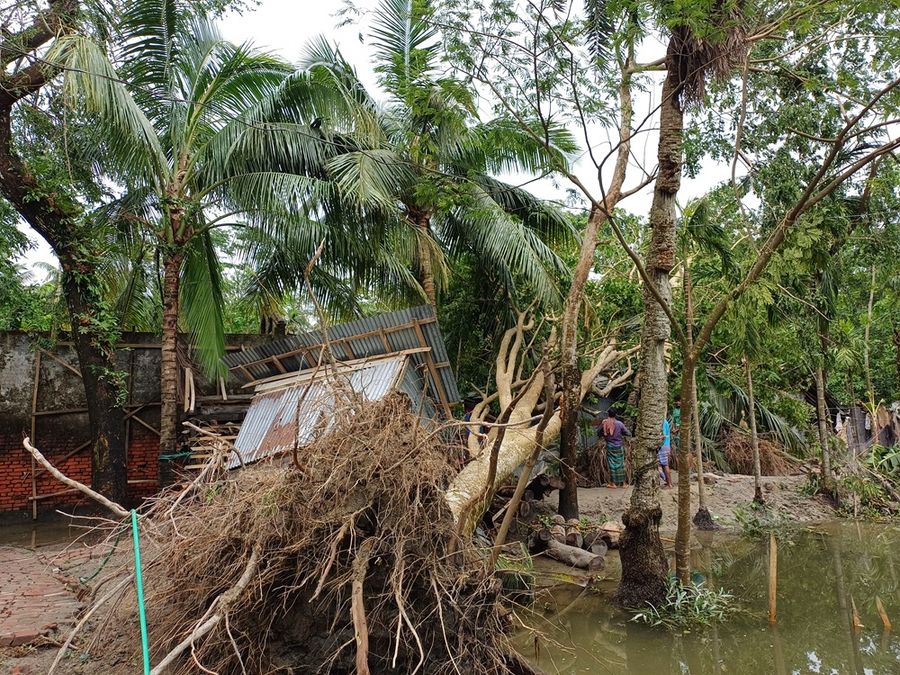
In Bangladedesh, different regions are exposed to different climate risks.
- In the southwest, around the districts of Khulna, Satkhira, and Bagerhat, the low elevation, proximity to rivers, and rising sea levels lead to frequent flooding and increasing salinization of the soil and groundwater.
- In the southeast, near Cox’s Bazar, severe cyclones and landslides following heavy monsoon rains are affecting both the local population and refugee camps.
- The southern coastal region around Barisal is at high risk because the lack of natural drainage areas exacerbates flooding during storm surges and cyclones.
- In the north and along the major rivers, such as in the Kurigram District, recurring floods and severe bank erosion pose a particular threat to residents of unstable river islands, where land is regularly being lost.
- In addition, the Dhaka metropolitan area, in central Bangladesh, faces its own challenges due to extreme heat, high levels of air pollution, and frequent urban flooding during heavy rains.
Measures to combat climate change in Bangladesh
Bangladesh can mitigate the effects of climate change if the country adapts and improves its protection measures in several areas. Expanded drainage systems and flood-resistant roads help protect cities from monsoon floods and keep key transportation routes open. It is equally important to protect coastlines and water resources so that less land is lost and natural habitats are preserved.
In agriculture, more resilient crops and more efficient farming methods can help ensure that harvests are not so easily lost, thereby safeguarding incomes and ensuring food security for the population. At the same time, global measures to reduce energy consumption, a modern industry, and lower emissions help reduce the impact on the climate and the environment. Prompt assistance and improved preparedness following storms and floods further strengthen the protection of people and make the country as a whole more resilient.
Help on the ground – How Malteser International supports people in Bangladesh
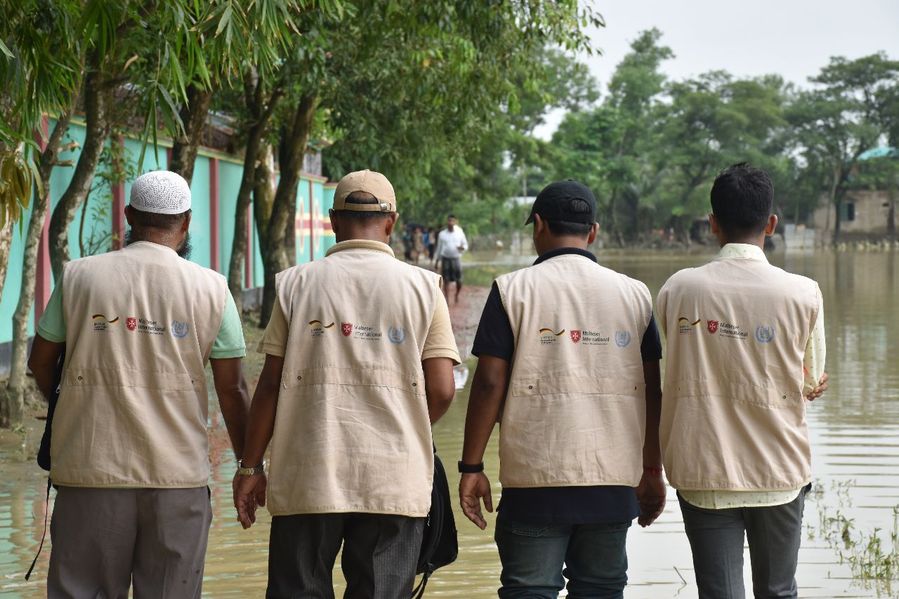
Malteser International provides immediate assistance to people in Bangladesh following disasters and also helps communities improve their long-term resilience.
After cyclones or severe flooding, we help families rebuild their destroyed homes, provide building materials, and offer financial support for repairs as we did, for example, in numerous villages in southwestern Bangladesh following Cyclone “Remal” in May 2024.
During such acute crises, we work with our local partner organizations to distribute items such as food, drinking water, baby food, clothing, mosquito nets, and hygiene supplies, or to provide cash assistance so that affected households can decide for themselves what they need most urgently. In the refugee camps in Cox’s Bazar, we operate three health centers where we provide medical care to both refugees and people from the host communities.
We place a special emphasis on caring for pregnant women and newborns, as well as providing psychosocial counseling. We also focus our efforts on preventing disease outbreaks. To that end, we conduct hygiene and health training sessions and improve sanitation facilities in community settings such as schools and health care facilities.
Strengthening Resilience in Vulnerable Districts: In particularly climate-affected districts such as Kurigram, Satkhira, and Bagerhat, we help communities build long-term resilience. We provide training for marginalized groups, including widows, people with disabilities, and landless households, in climate-resilient livelihood activities such as small-scale livestock rearing. We also support self-help groups in establishing seed and food banks and in advocating for their interests with local authorities. To achieve this, we work closely with local partner organizations, including the Mukti Foundation and Gonoshasthaya Kendra.
Frequently Asked Questions about Climate Change in Bangladesh
Bangladesh is located in the delta of several major rivers, and large parts of the country lie only a few meters above sea level. During the monsoon season, heavy rains bring enormous amounts of water into the country, causing rivers to overflow their banks and flood vast areas.
The monsoon brings vital rainfall every year, but it can also trigger extreme weather events. When rainfall is particularly intense, river levels rise rapidly, leading to widespread flooding, landslides, and damage to infrastructure and agriculture.
Every year, natural disasters force millions of people in Bangladesh to temporarily leave their homes. According to the Global Report on Internal Displacement 2025, approximately 2.4 million new cases of internal displacement caused by disasters were recorded in the country in 2024 alone, primarily due to storms and floods, which are often triggered by cyclones.
Support can be provided primarily in the form of donations, which humanitarian organizations like ours use to fund emergency relief, provide medical care, and implement long-term projects to strengthen communities.